Muha Members
- 4.4
- Rating
- 100.00K
- Installs
- Free
- Price

 Analysis by App-foxy
When I need to check whether a product is genuine, I usually want an answer before I have time to study a complicated business tool. Muha Members is built around that simple moment: scan a product code and use the result to help verify authenticity. I found the idea appealing because it focuses on a practical task rather than trying to become an all-purpose inventory, shopping, or accounting app.
As a free business app from MMembers Dev, it is aimed at people who handle products and want a quick verification step close at hand. That includes customers checking a purchase, retailers receiving stock, resellers examining items before listing them, and small teams that need a repeatable way to inspect products. The age rating is Everyone, so it is also approachable for general users rather than being restricted to a specialist audience.
The app’s public reception is encouraging: it holds a 4.7 average from around 187 ratings, with more than one hundred written reviews and over 50 thousand installs. Those figures suggest that the focused concept is finding an audience, although they should not be mistaken for a guarantee that every scan or every product will produce the same experience.
You May Also Like

 Blood Strike: 2.5 Anniversary
Blood Strike’s Loadouts Turn Every Drop Into a Tactical Gamble
A close look at Blood Strike’s custom loadouts: how fast access to signature weapons reshapes its battle royale rhythm, rewards preparation, and narrows the gap between fights.

 Pandora - Music & Podcasts
Pandora’s Music Is Easy to Start, but Harder to Recover
Pandora’s strength is its low-effort path from a seed to a station. Its weak spot is how much confidence it asks you to place in connection, setup, and quiet recovery.

 8 Ball Pool
 Is Built on Rivalries, Rematches, and Routine
A close look at the rivalries, rematches, shared routines, and unanswered safety questions that turn a quick pool match into a persistent mobile community.

 Samsung Music
’s Quiet Strength Is Playing What You Already Own
Its reach comes less from spectacle than from dependable access to a personal library. That simplicity is both the app’s strongest retention engine and its ceiling.

 AccuWeather: Weather Radar
AccuWeather Review: A Quick, Clear Forecast for Everyday Decisions
For everyday plans, the best forecast is the one you can understand quickly. AccuWeather makes rain timing, radar, and local conditions easy to act on, with a few trade-offs.

 Hill Climb Racing
Why Hill Climb Racing Still Turns Crashes Into One More Run
A tiny car, a bumpy hill and one more upgrade: Hill Climb Racing keeps resurfacing because its simple chaos makes every near-miss feel personal.
More From Our News Desk



How the scanning experience feels in everyday use
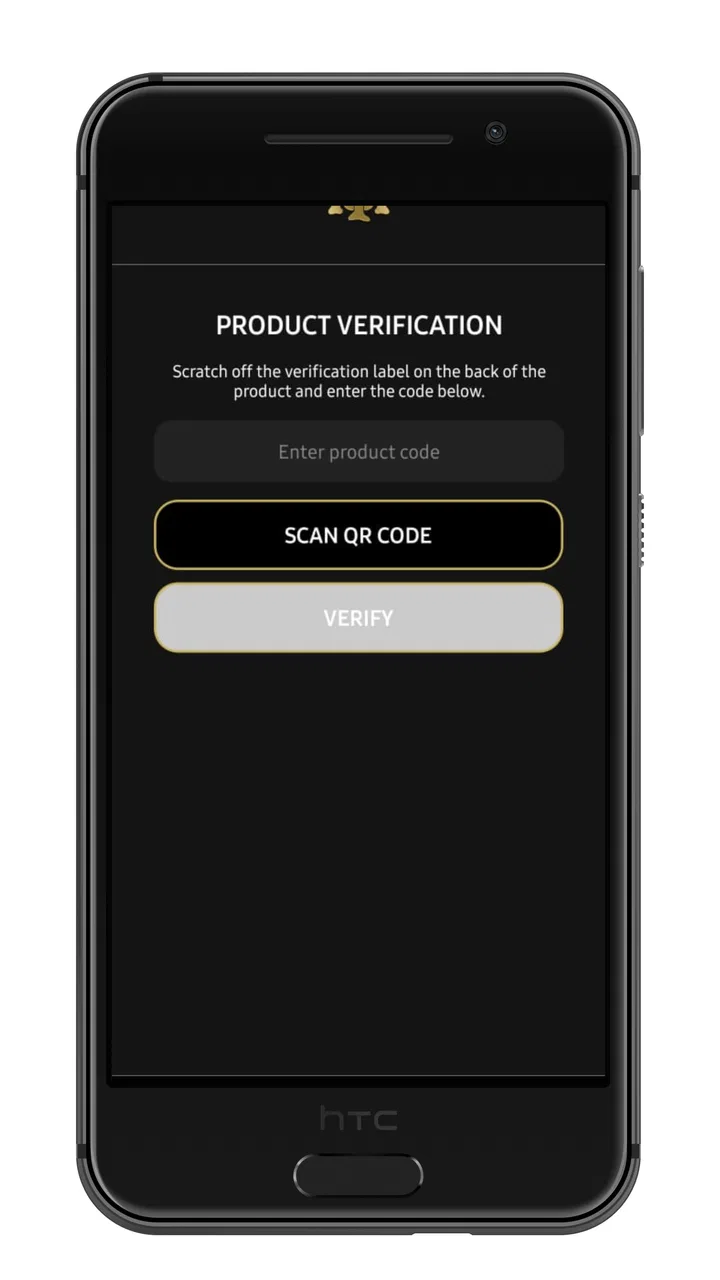
The main attraction is the short path from opening the app to checking a code. A tool like this earns its place on a phone when it reduces hesitation: point the camera, capture the product code, and read the verification result. I would not expect Muha Members to replace a full stock-management system, and that is actually a strength. Its value is in the quick checkpoint before a product is accepted, sold, or trusted.
In normal conditions, the perceived speed should depend less on elaborate navigation and more on how quickly the camera recognizes the code and how promptly the service returns its result. That means good lighting, a steady hand, and a clean code matter. I found it useful to hold the phone parallel to the package instead of sweeping across it. A small adjustment like that can prevent repeated attempts and makes the app feel much faster than simply tapping the scan button over and over.
A realistic example is a small retailer receiving a box of products from a supplier. Rather than checking only the outer packaging, the owner can inspect individual items as they are put away. This creates a practical decision point: products that verify can continue through the usual process, while anything unexpected can be set aside for closer examination. The app does not remove the need for judgment, but it can make that first check easier to perform consistently.
For shoppers, the useful moment may come before opening a purchase or when comparing an item with its packaging. I would keep the product, code, and result together while checking, because scanning the wrong item can create confusion later. That is one of the less obvious habits that makes a verification app more dependable: treat each scan as a product-specific check, not as a general approval of everything in the same box.
Where speed can slow down
Scanning is not the same as instant certainty. A code may be damaged, partly covered, reflective, or printed on a curved surface. In those cases, the camera may need several attempts. A user who expects the app to recognize every code from any angle could become frustrated, even though the limitation belongs as much to the physical label as to the software.
There is also a difference between recognizing a code and receiving a meaningful verification response. The first step is visual; the second may rely on the service behind the app. I would therefore judge performance in two parts: camera responsiveness and result delivery. If one is quick while the other takes longer, the overall experience will still feel delayed. That distinction is important for anyone considering the app for repeated checks during busy receiving or sales periods.
My practical advice is to prepare the item before opening the scanner. Remove loose wrapping, find the clearest code, and avoid holding the phone so close that the camera loses focus. These small steps are especially helpful when checking several products in succession. They also reduce the temptation to interpret a failed scan as evidence that the product itself is suspicious.
Using it during heavier checking sessions
Muha Members makes the most sense when the work is repetitive but still requires individual attention. A reseller examining incoming items, a shop employee checking a delivery, or a buyer reviewing several products can benefit from a dedicated scanner instead of manually searching for information each time. The app’s narrow purpose helps keep the workflow understandable.
Heavy use exposes different issues from occasional use. The phone’s camera may remain active repeatedly, the display may stay awake, and the user may need to handle products while holding the device. I would keep the phone charged before a long inspection session and use a stable surface whenever possible. That is not a criticism of this particular app; it is a realistic trade-off of camera-based checking on a mobile device.
A useful workflow is to separate physical handling from decision-making. First arrange the products so each code is easy to reach. Then scan one item, read the result carefully, and place it in a clearly different group before moving to the next. This avoids mixing verified and unverified products. It is a simple process improvement, but it matters more than shaving a moment off an individual scan.
For a small business, the app may be most valuable at receiving time rather than during every customer interaction. Checking stock before it enters the sales area gives staff more room to deal with unclear results. In contrast, a busy checkout line is a poor setting for a slow or ambiguous verification process. If your work demands an immediate answer while customers wait, a dedicated business system with established stock controls may be a better fit.
I would also avoid treating a successful scan as the only quality-control step. Compare the result with the item’s packaging, labeling, and purchase records. A code can be associated with a product without proving every claim about its condition, origin, or suitability. The app is best understood as one layer in a cautious process, not as a substitute for supplier checks or common sense.
Reliability and recovering from an awkward scan
Reliability is not just whether the app opens. It is whether I can understand what happened when a scan does not go smoothly. A failed attempt should lead me to adjust the product or try again, not immediately conclude that the item is fake. Keeping that distinction clear is essential for using any authenticity checker responsibly.
When a scan fails, I would first clean the camera lens, flatten the packaging if possible, move into better light, and try a different distance. I would also check that I am aiming at the intended code rather than a nearby label. These recovery steps are more useful than repeatedly pressing the same control without changing the conditions.
If the app returns a result that seems inconsistent with the physical product, I would pause the transaction and inspect the details again. A second scan can help identify a positioning mistake, while comparing the code with the packaging can reveal whether the wrong item was checked. For business users, recording the item separately until the discrepancy is resolved is safer than putting it straight into sellable stock.
The app’s rating and growing install base provide some reassurance that people are using it successfully, but no rating can promise perfect reliability across every phone, camera, label, or network condition. I appreciate tools like this more when they encourage careful verification rather than presenting a single tap as absolute proof. That mindset should guide expectations here.
Phone requirements and practical constraints
The current version is 1.4.12, and the app supports devices running Android 7.0 or later. That gives it a broad potential device range, including phones that are no longer new. Still, operating-system compatibility is only one part of the experience. Camera quality, focus behavior, screen visibility, and the physical condition of the phone can all affect scanning.
On an older compatible phone, I would pay particular attention to camera focus and general responsiveness. A device may technically run the app while taking longer to settle on a small or reflective code. Newer hardware may feel more comfortable during repeated checks, but users should not assume that a newer phone automatically fixes poor lighting or damaged printing.
Resource demands are difficult to judge from the app’s purpose alone, so I would avoid expecting it to behave like a full business suite. A focused scanner should be easier to manage than an app that constantly handles catalogs, reports, and media, but the camera itself can still be demanding during extended use. If the phone becomes warm or the battery drops quickly during a long session, shorter batches and brief pauses are sensible.
Storage is another practical consideration for business users. A verification tool is most useful when it is available at the moment of purchase or delivery, so keeping it installed on the phone used for receiving stock makes more sense than relying on a shared device that is often unavailable. Because the app is free, the main cost is not a subscription decision but the time spent integrating it into an existing checking routine.
People who need iOS access should confirm that the version they intend to use is available for their device before building a team workflow around it. The experience described here is centered on the Android release, and the Android minimum requirement is clear. For a mixed-device business, platform consistency may matter more than the appeal of a single scanning feature.
How it compares with familiar alternatives
The usual alternative is a web search: type a product name, compare images, read seller information, and make a judgment. That approach can be useful when there is no code to scan, but it is slower and more vulnerable to misleading or outdated pages. Muha Members has a clearer advantage when the product carries a code intended for verification.
Another alternative is a generic barcode reader. A general scanner may identify a product or display a number, but identification is not necessarily authenticity verification. Muha Members is more relevant when the user’s question is “can I trust this item?” rather than “what product does this code represent?” That distinction explains why the app belongs in a business-oriented category even though the action itself is simple.
At the other end are inventory and enterprise tools. Those systems can connect receiving, stock counts, purchasing, staff permissions, and reporting, which makes them preferable for a larger operation that needs an audit trail. Muha Members is lighter and easier to approach, but that simplicity also means it should not be selected as a replacement for inventory control when the business needs detailed records and multi-step approval.
The best comparison depends on the moment. For a personal spot-check or a small batch of incoming goods, a dedicated authenticity scanner is more direct than a full platform. For a warehouse with complex stock movement, a broader system will probably provide better control, even if its verification process is less convenient.
Who will benefit most from the app
I would recommend Muha Members to buyers who regularly encounter products where authenticity matters, small retailers who want an extra receiving check, and resellers who prefer to verify items before presenting them to customers. It is also useful for someone who wants a dedicated tool rather than juggling searches, camera apps, and product pages.
The app is especially suitable for people who can build verification into a calm part of their routine. Checking items at home, at a receiving desk, or before listing products online gives enough time to repeat an unclear scan and investigate an unexpected result. The more organized the surrounding workflow, the more value the simple scanner provides.
I would be more cautious about recommending it to a large company that needs centralized records, staff-level controls, or formal reporting. It may also disappoint users who expect a scanner to authenticate products without considering label condition, context, or supplier history. If your main need is price comparison, stock counting, or product discovery, a different business or shopping tool will likely suit you better.
My performance verdict
Muha Members succeeds because it concentrates on a real, understandable task: using a product code as part of an authenticity check. In my view, its strongest performance quality is the potential for a short workflow. When the code is clear, the phone is ready, and the user knows how to interpret the result, the app can turn a vague concern into a repeatable checkpoint.
Its limitations are equally practical. Camera scanning depends on the label and the device, repeated checks can consume attention and battery, and a verification result should not be treated as a complete investigation. Users who need business-wide records will probably outgrow a focused scanner, while casual users may find it unnecessary if they rarely check coded products.
The free price removes an easy barrier to trying it, and the Everyone rating makes it approachable for a broad audience. With MMembers Dev behind the app and a current release of 1.4.12, it is a reasonable option for Android users on version 7.0 or later who want a dedicated product check rather than a general-purpose tool.
My recommendation is to use Muha Members as a fast first line of verification, not as the entire quality-control process. Prepare the item, scan carefully, repeat unclear attempts under better conditions, and keep questionable products separate until you have checked the surrounding evidence. Used that way, it offers a practical balance: quicker than manual searching for the right kind of product, simpler than a full inventory platform, and honest enough in its role when the user understands what a code check can and cannot establish.
FAQs for Muha Members
01What is Muha Members and how does it work?
Muha Members is a versatile app designed to enhance community engagement by offering tools for communication, event planning, and member management. Users can create and join groups, participate in discussions, and stay updated with the latest news and events. The app simplifies the process of managing memberships and promotes active participation within any community.
02Is Muha Members available for both Android and iOS devices?
Yes, Muha Members is available for download on both Android and iOS platforms. You can find it on the Google Play Store for Android devices and the Apple App Store for iOS devices. This ensures that users from both major operating systems can access and benefit from the app’s features.
03Does Muha Members require a subscription or is it free to use?
Muha Members offers a free version with basic features accessible to all users. However, for advanced functionalities like premium group tools, enhanced member analytics, and additional storage, a subscription may be required. The app provides flexible plans to cater to different user needs, ensuring affordability and value for money.
04How secure is the data on Muha Members?
Muha Members prioritizes user privacy and data security by implementing robust encryption protocols for all communications and data storage. The app regularly updates its security measures to protect against potential threats. Users can also customize their privacy settings to control what information is shared within the community.
05Can I use Muha Members for large organizations and communities?
Absolutely, Muha Members is designed to handle communities of all sizes. Its scalable infrastructure supports small groups to large organizations, offering features like bulk member invitations, comprehensive event management, and detailed analytics. This makes it an ideal tool for fostering engagement within diverse and expansive communities.
Pros
- User-friendly interface for easy navigation.
- Comprehensive tracking of membership details.
- Seamless integration with other platforms.
- Customizable notifications for important updates.
- Secure data management to protect member info.
Cons
- Limited customization options for the interface.
- Occasional sync issues with certain devices.
- No offline mode available for remote areas.
- Requires a stable internet connection.
- Premium features locked behind paywall.

Muha Members
Gallery